
The Challenge
Early smart home security was fragmented, expensive, and tethered to on-site hardware. Homeowners had no practical way to see or communicate with visitors remotely. The DoorBot concept needed to evolve from an early-stage prototype into a manufacturable, reliable consumer product — one capable of surviving diverse installation environments, weather conditions, and network configurations while remaining accessible to mainstream consumers.
Our Solution
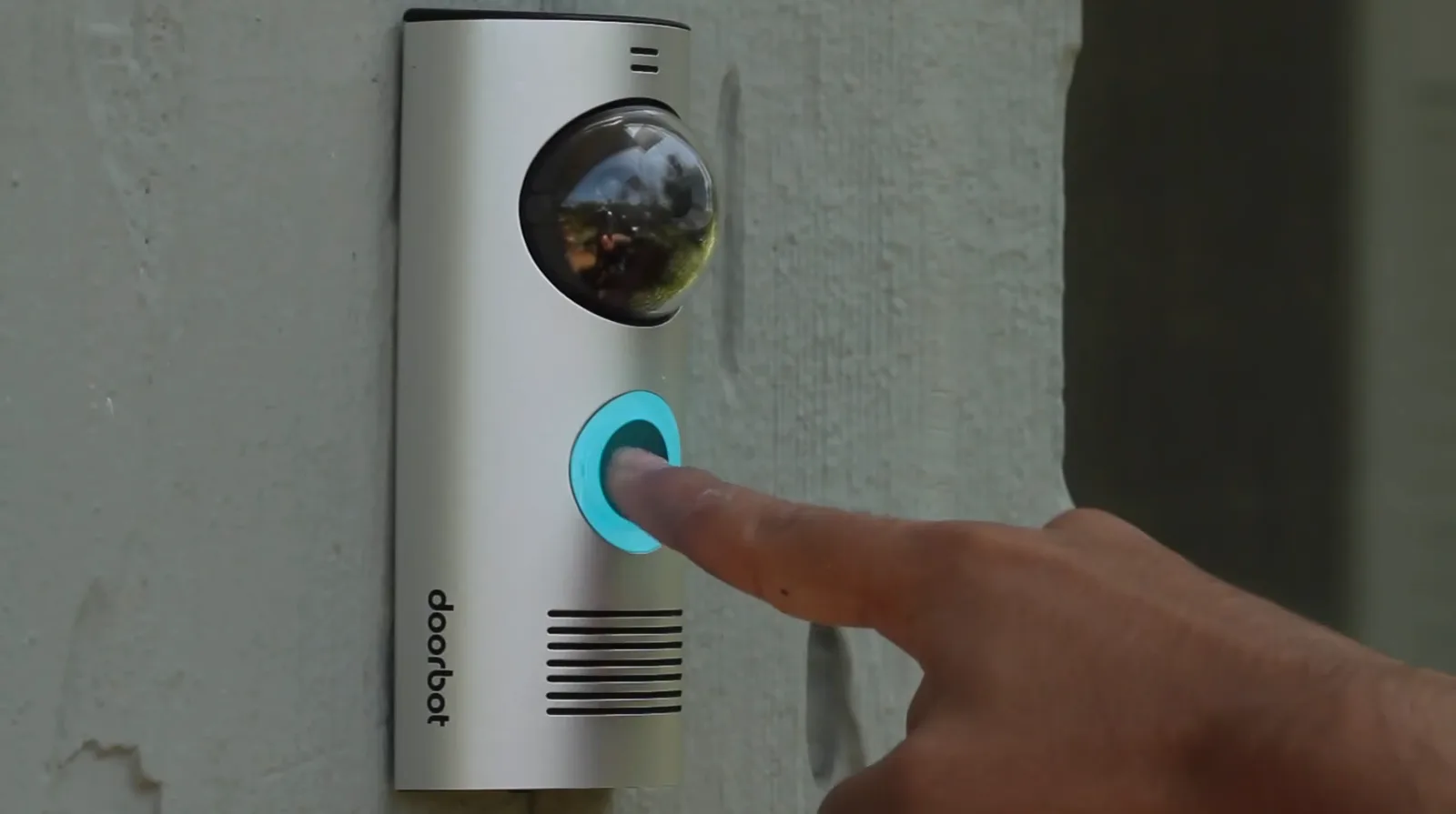
As Lead Mechanical Design Engineer, I drove the product architecture and mechanical design of the original DoorBot — the device that would become the Ring Video Doorbell. My contributions centered on designing for manufacturability and long-term field reliability, enabling the product to scale from prototype to mass production. I established the physical architecture to support both wired doorbell integration and battery operation, while meeting the precision tolerances required for the camera, audio hardware, and weatherproofing needed for real-time two-way communication from anywhere via smartphone.
The Results
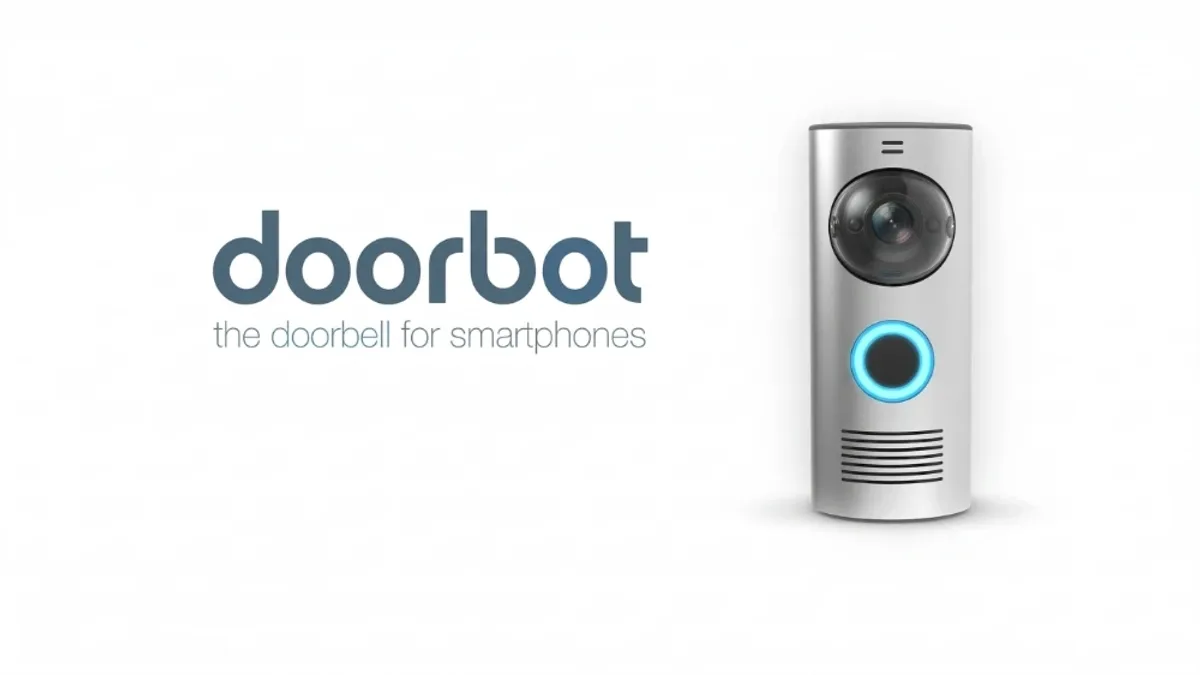
The original DoorBot launched as the first product of its kind, pioneering the connected home video doorbell category and laying the foundation for the broader smart home security market. The platform was subsequently rebranded as Ring and acquired by Amazon for approximately $1 billion in 2018. The product concept has since been installed in tens of millions of homes worldwide, fundamentally transforming how homeowners interact with and secure their front doors.